

Ecotourism
Trailblazers in Canadian Eco Tours Since 1986
“To do good, you actually have to do something.” – Yvon Chouinard
Our Vision
We’ve been an ecotourism company since the beginning, in 1986. Our mission is to use our business as a force for good. Many of us grew up on this coast, involved in, or coming of age during, the massive environmental battles of the 1980s and 1990s, and studying the teachings of deep ecology.
During this time, Canadians increasingly made ourselves aware of our country’s history of ignoring and denying the rights, title and identity of Indigenous people here, and the damage this causes; and formed a desire to work with Indigenous nations to fix the damage and transform the relationships between Canada and the nations.
The pressure of these important forces on our coast precipitated the idea of building a conservation-based economy, in which humans, businesses, and the environment operate in symbiosis—creating benefits while restoring and healing each other.
Since business is the foundation of our economy, it means that businesses must help create this change. Businesses have (often rightly) been blamed for the destruction of our homes and of people’s lives. But businesses can instead use that exact power for good.
Regenerative Travel
Our operations and interactions with the human and natural world are informed by the principles of ecotourism.








Advocacy
Lending Nature a Voice
As we and our colleagues develop ecotourism here, we spend time advocating—to make a place for green tourism, to protect ecosystems and wildlife. We work with many stakeholders in this, from government committees to Indigenous nations to conservation organizations.
Learn More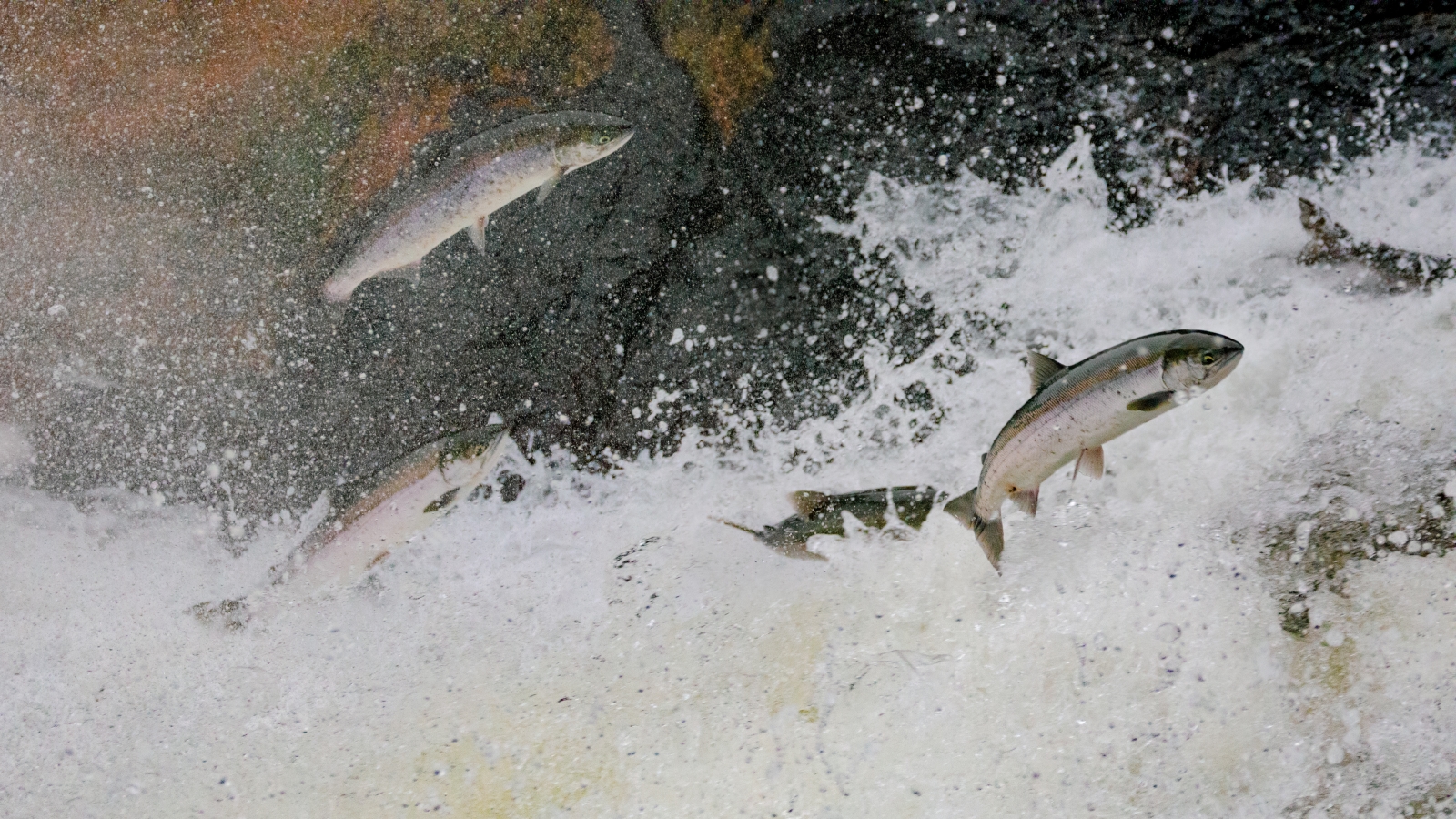
Conservation
Travel as a Force for Good
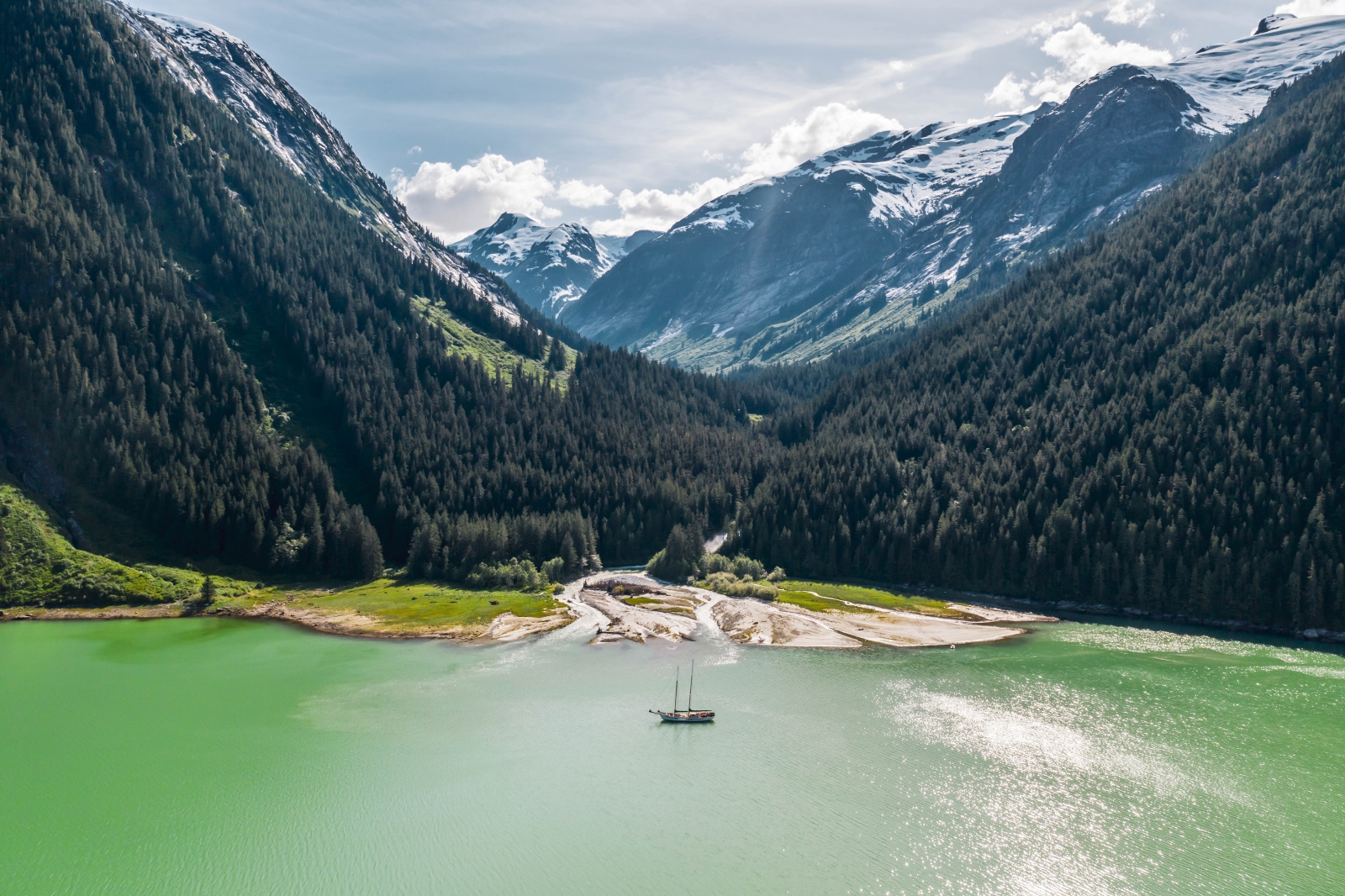
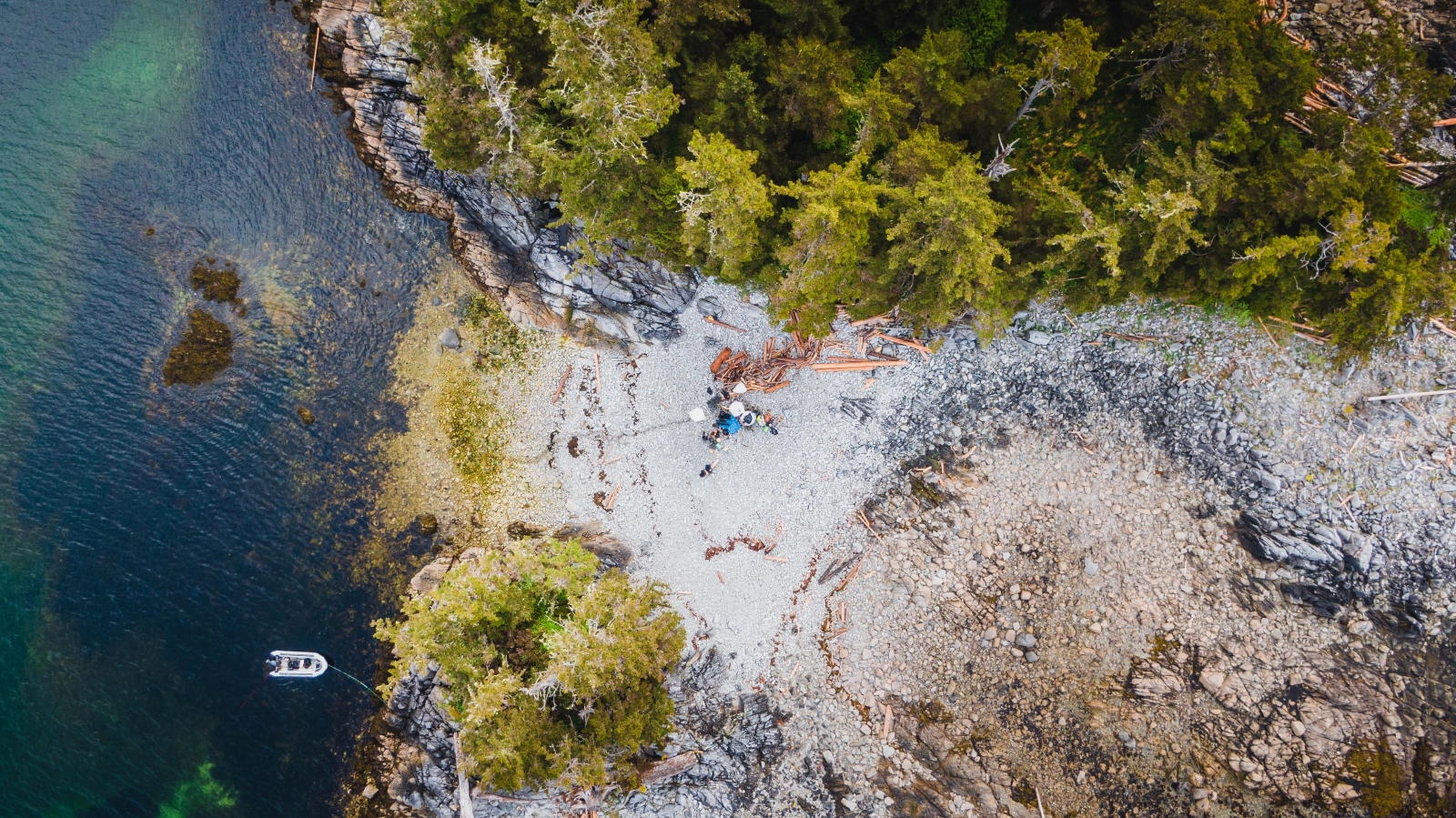
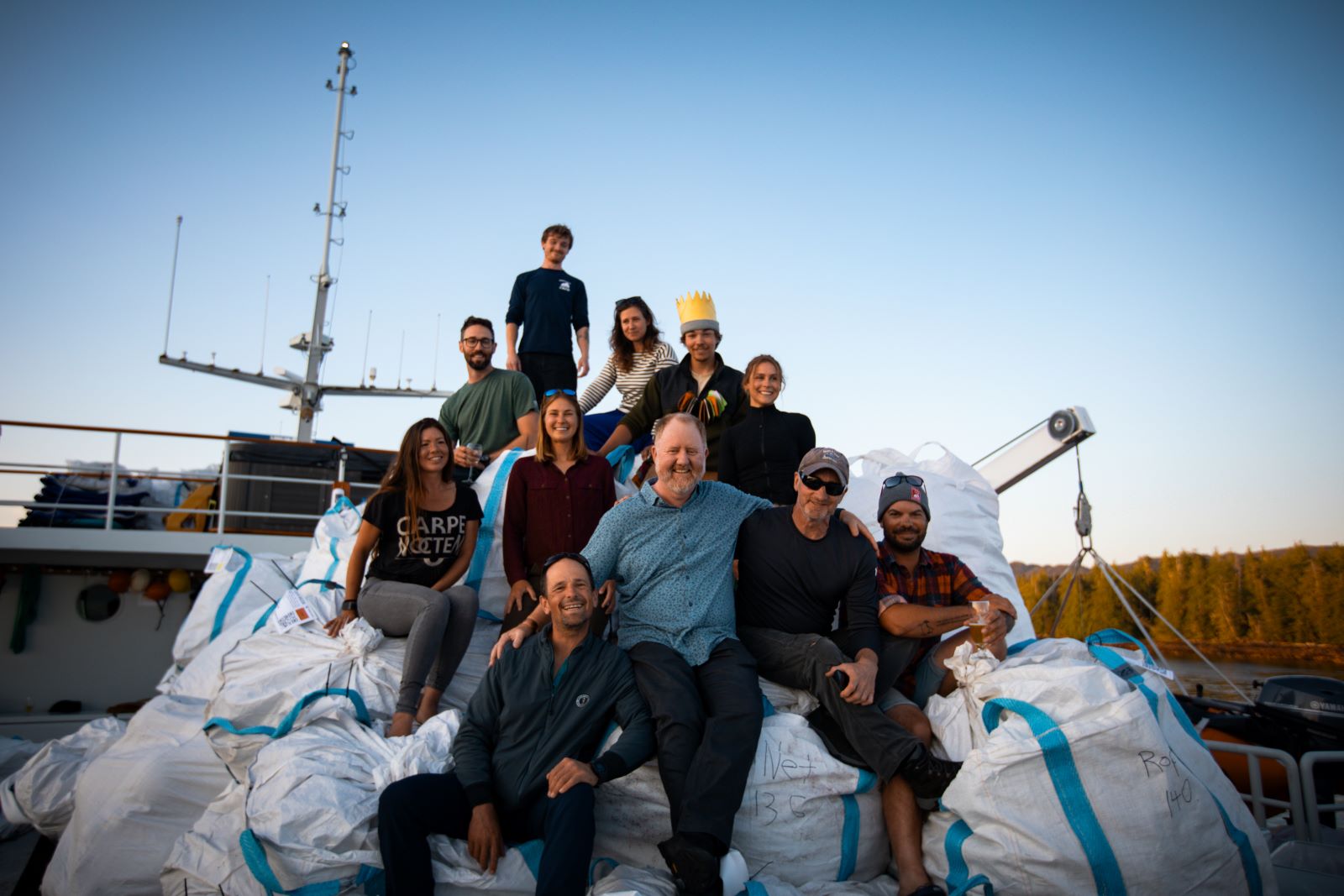
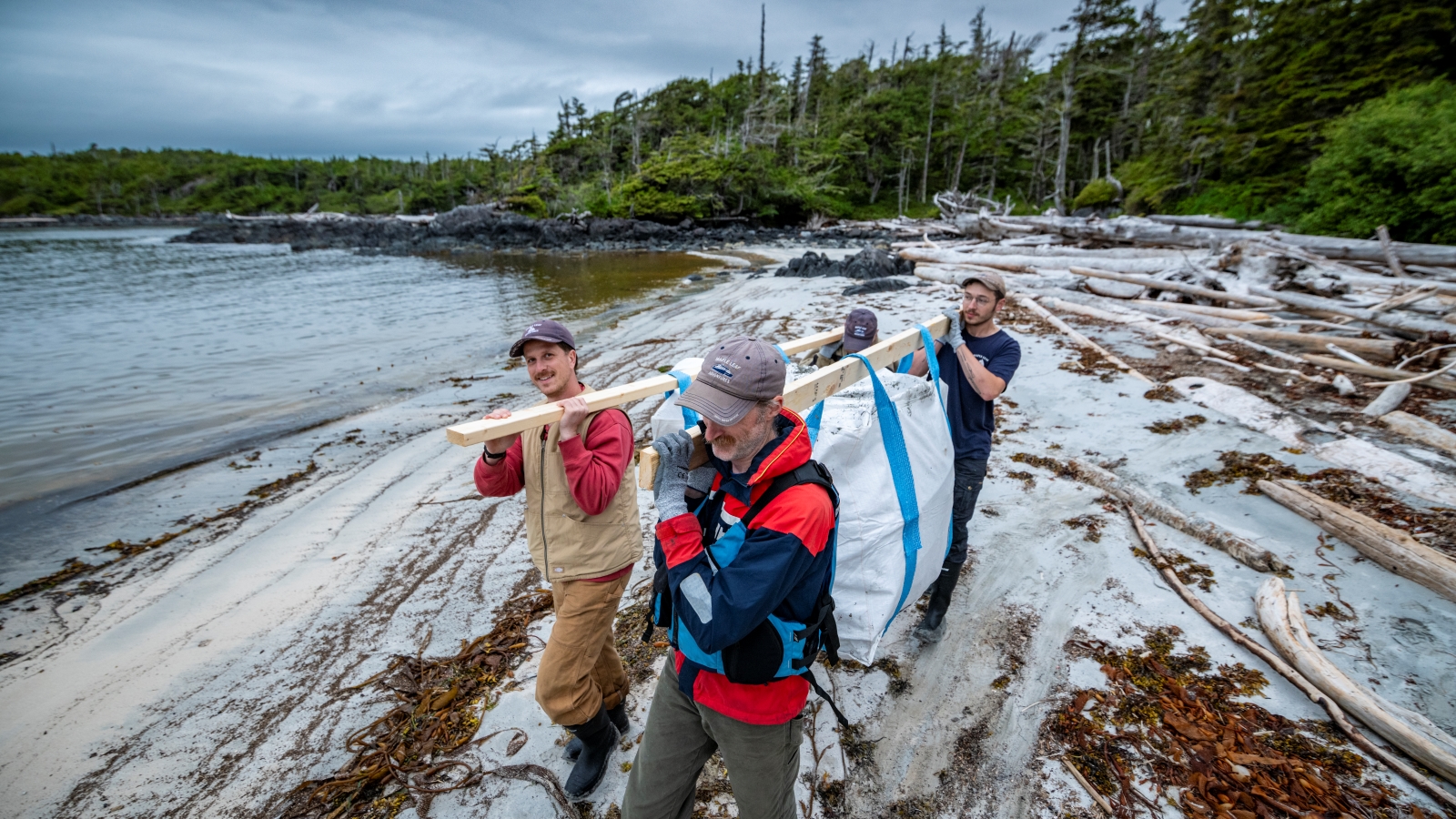
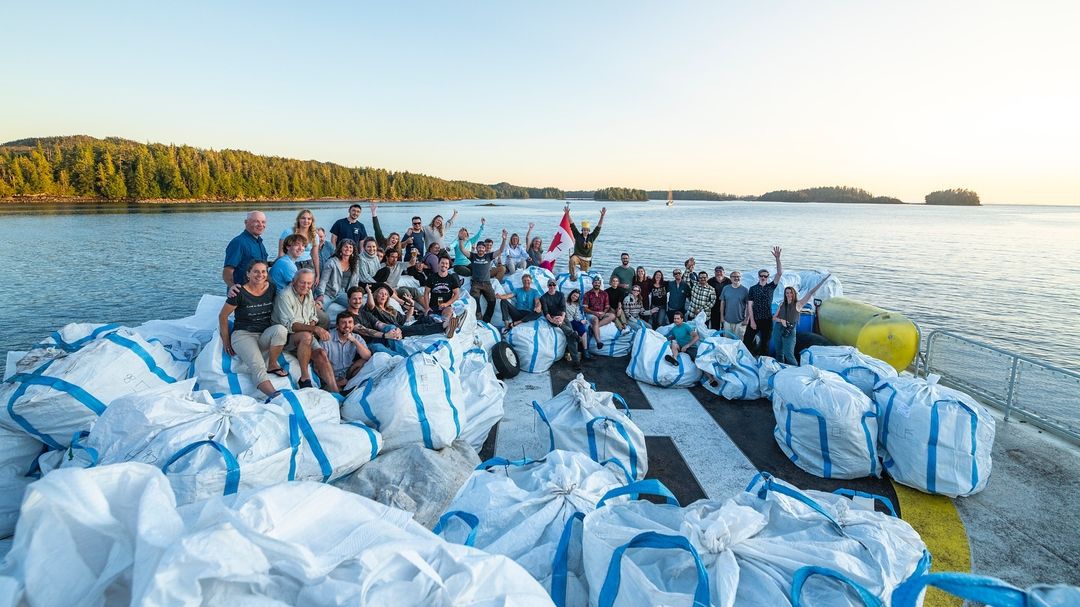
Every trip donates to conservation, benefitting the places we explore; in addition to donations, we also take direct action. For example, during the pandemic, we worked with our colleagues, five First Nations and the BC Clean Coast, Clean Waters fund to create one of the world’s largest marine debris clean-ups.
Learn MoreRelated Stories
Learn more about how your trip supports the coast we live on.

Emailed Newsletter
Subscribe to our occasional enewsletter and look forward to doses of inspiration including photos, videos, webinars and special offers.
subscribe
Printed Newsletter
Sign up to receive our annual print newsletter delivered straight to your mailbox, keeping you up-to-date with new itineraries and special offers.
subscribe
Request Brochure
Order your free travel guide to the best of our wild west coast, including the Great Bear Rainforest, Haida Gwaii, Alaska, and more.
request brochure